
 Call for free estimate and shop at home

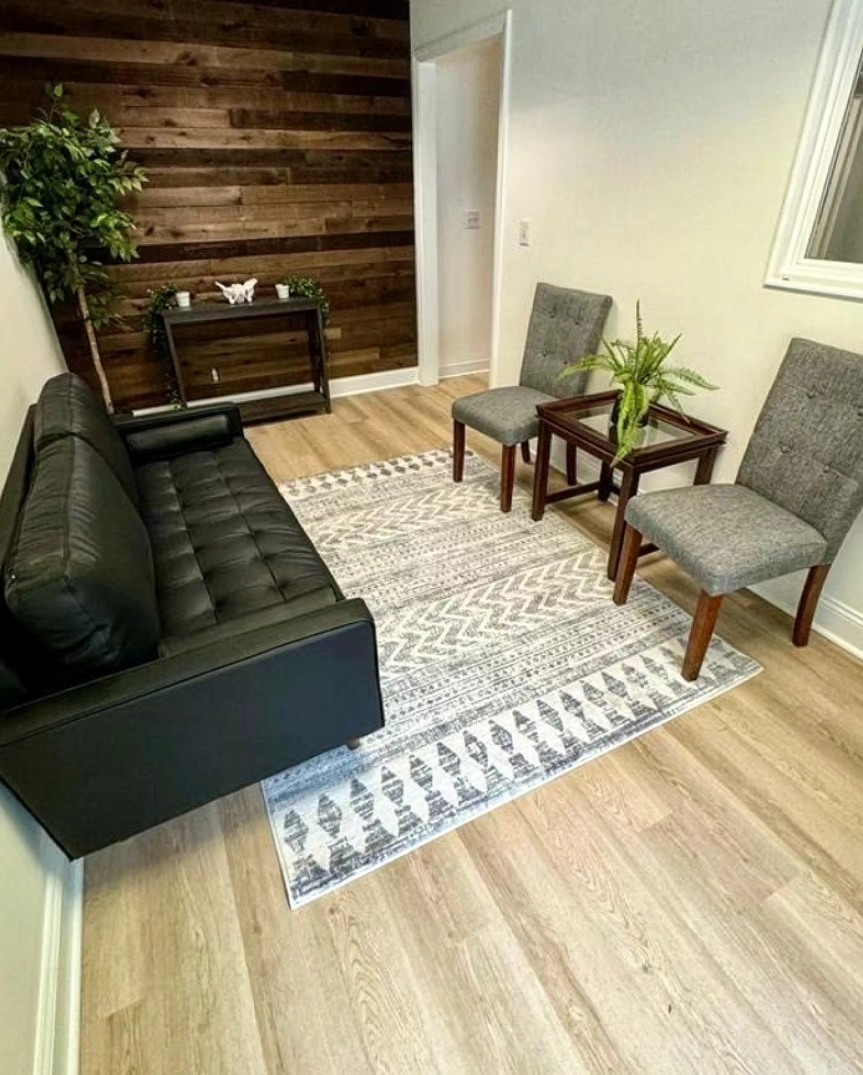
Open floor plans are amazing for natural light and entertaining, but they can be tricky to decorate. One big question we hear all the time in our South Florida showrooms is: “Where do I put my rugs—and what size do I actually need?”
In a wide-open living/dining/kitchen space, the wrong rug size can make everything feel disconnected or awkward. The right one, though, will visually organize the room, soften hard flooring, and help with sound—which matters in echo‑prone tile and luxury vinyl spaces that are so common around Miami and Fort Lauderdale.
Let’s walk through how we think about area rug sizing and placement in open‑concept homes.
Start With Zones, Not Just Measurements
In an open layout, you’re not just choosing a rug for “the living room.” You’re defining zones: conversation, dining, and often a walkway. Before you look at sizes, stand back and ask: What are the “rooms” inside this big room?
For most South Florida homes, that means:
- A seating area for TV and conversation
- A dining area
- Sometimes a flex space—like a kids’ corner or reading nook
Once those zones are clear, you can start exploring area rugs that are big enough to claim each zone without swallowing your walkways.
A quick rule of thumb: in open spaces, err on the larger side. Too-small rugs are the number one mistake we see when we go out for in‑home estimates.
Living Area: How Big Should the Rug Be?
For a typical open-concept living area, the rug should feel like a “stage” your seating sits on.
Three approaches work well:
- All furniture fully on the rug
This is ideal in generous great rooms. A 9' x 12' is often the starting point here. Sofas, chairs, and coffee table all sit completely on the rug, with at least a few inches of rug showing behind each piece. This creates a cozy island in a large, airy room.
- Front legs on, back legs off
In many South Florida condos and townhomes, this is the sweet spot. An 8' x 10' rug under the coffee table, with just the front legs of the sofa and chairs on the rug, is usually enough to connect everything visually. Aim for the rug to extend 6"–8" past the sides of your sofa so it doesn’t look like a postage stamp.
- Floating rug (coffee table only)
We rarely recommend this in open-concept spaces. When the rug only sits under the coffee table with no furniture touching it, the seating can feel like it’s “orbiting” the rug instead of anchored by it.
If you’re not sure where your layout falls, we’re happy to talk it through during a no‑obligation estimate for your space. A quick sketch and a few measurements go a long way.
Dining Area: Avoid the Chair “Speed Bump”
In open layouts, the dining table is often just a few steps from the living area, so the dining rug has to work both functionally and visually.
The critical rule: the rug should be large enough that chairs stay on it—even when pulled out. Otherwise, every meal turns into a wobble-fest.
As a guide:
- Measure your table, then add at least 24"–30" on all sides.
- For many rectangular tables, that means a rug in the 8' x 10' or 9' x 12' range.
- For round tables, a large round rug or a generously sized square rug keeps things feeling intentional.
Because so many homes in our area have hard-surface floors like tile or luxury vinyl, a dining rug also cuts down on noise—big help in echo‑y, open kitchens.
If your table is an unusual size or you have a tight traffic path behind the chairs, our custom area rug services including binding let us size a rug precisely so you’re not forced into a standard size that almost fits but not quite.
Coordinating Multiple Rugs in One Big Space
Once you’ve got the sizes right, the next step is making sure your rugs play nicely together.
In many South Florida homes—especially around Miami and Broward—open layouts mean you may see the living, dining, and even entry all at once. To keep things cohesive:
- Stick to a shared color story. The living rug might be a soft neutral with a subtle pattern, while the dining rug pulls one or two of those colors in a bolder design.
- Vary scale, not palette. If the living rug has a large, relaxed pattern, choose something smaller‑scale or more solid for the dining area so they don’t visually fight.
- Think about what’s underneath. On patterned tile or wood‑look floors, simpler rug patterns often look best. On very plain floors, you can have more fun with texture and design.
When we work with homeowners in our area, we often start by looking at flooring first, then layering in rug options from our area rug collection that complement the undertones and grain of the floor.
When Standard Sizes Don’t Work
Open-concept condos and waterfront homes sometimes have quirky dimensions—extra-long living areas, angled walls, or columns. That’s where custom sizing becomes a game changer.
At Don Bailey Flooring, we can cut and bind rugs to your exact dimensions, turn broadloom carpet into a perfectly sized area rug, or shape a rug around architectural features. If you’ve been struggling to find a rug that’s “just right,” exploring our custom area rug options is often the simplest solution.
Ready to Lay Out Your Open Space?
If you bring rough room measurements and a couple of photos to any of our South Florida showrooms in Fort Lauderdale, Miami, or Miramar, we can help you map out rug sizes on the spot. You can also reach out for a personalized consultation to explore options if you’d like guidance before you shop.
When you’re ready to see textures and colors in person, stop by your nearest showroom to touch and feel materials, or set up a free in‑home consultation to discuss your project. We’ll help you choose area rugs that make your open-concept home feel beautifully pulled together—without guessing on size ever again.


