
 Call for free estimate and shop at home

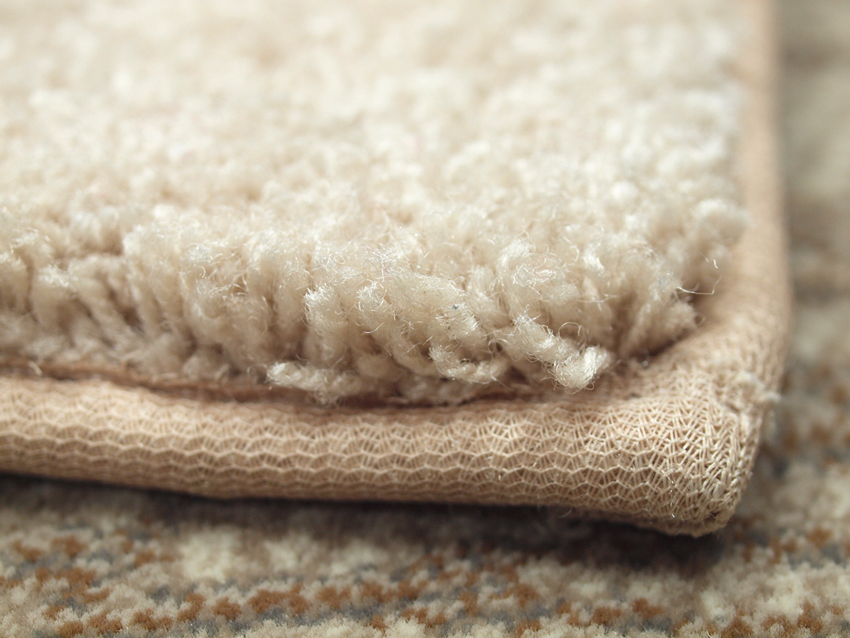
A rug can be the piece that makes a room feel finished, but only if it fits the space the way you imagined. Maybe the size is close but not quite right. Maybe the corners look too sharp for the furniture around them. Or maybe the edge detail feels more noticeable than you expected. That is where binding choices start to matter. The border is not just a way to finish the perimeter; it affects how the rug looks, how polished it feels, and how well it fits the room.
Why binding details matter more than most homeowners expect
When people think about a custom rug, they usually focus on color, pattern, and size first. Those are important, of course, but the finish around the edge is what often determines whether the final piece feels intentional. A narrow, understated border can let the carpet texture take the lead, while a more visible finish can frame the rug and make it read as a design feature. Don Bailey Flooring highlights that custom rug binding allows homeowners to personalize both size and shape, which is especially helpful when an off-the-shelf option leaves awkward gaps or overwhelms the room.
That finishing detail also has a practical side. A neatly bound perimeter helps create a cleaner transition from rug to floor, which matters in spaces where chairs move often or where the rug sits near a main walkway. In a humid climate like South Florida, homeowners are often balancing style with easy upkeep, so it helps to think of binding as part of the rug’s everyday performance, not just its decoration.
Choosing the right edge style for the look you want
The edge treatment sets the tone. If you want the rug to blend quietly into the room, a simple bound border usually feels crisp and tailored. If you want more definition, a contrasting finish can create a subtle frame around the piece. The best choice often depends on what the surrounding surfaces are doing. Busy flooring patterns, bold upholstery, or strong architectural lines usually pair better with a quieter edge, while a more restrained room can handle a little extra contrast.
Material matters here too. A plush carpet remnant turned into a rug can feel elegant with a minimal border because the texture already brings visual richness. A flatter construction may benefit from more outline so it does not disappear into the floor. If you are still comparing textures and styles, browsing the broader area rug selection can help you see how different surfaces change the feel of the finished piece.
Corners and shapes change the personality of a rug
Corners seem like a small detail until the rug is in the room. Square corners tend to feel structured and architectural, which works well under dining tables, desks, and beds. Rounded corners soften the overall look and can make a custom piece feel more relaxed, especially in spaces with curved furniture or gentler lines. The shape should support the room rather than compete with it.
That is why custom sizing matters so much. In condos, open-concept layouts, and rooms with unusual footprints, a standard rectangle may not be the best answer. Don Bailey Flooring specifically notes that custom rugs can be made in a variety of sizes and shapes, giving homeowners more flexibility when a space calls for something more precise. If getting to a showroom is difficult, their shop-at-home services make it easier to compare options where the rug will actually live, under your lighting and next to your furnishings.
Think about the room before you finalize the finish
A living room rug has different demands than one placed under a breakfast table or at the foot of a bed. In high-traffic areas, you may want an edge detail that looks tidy without drawing too much attention to wear. In a quieter room, you can be a little more design-forward because the rug is less likely to be constantly brushed by shoes or furniture legs. The goal is not to choose the “best” binding in the abstract. It is to choose the one that suits the way the room functions.
That same practical thinking applies when the rug is being used to protect hard surfaces underneath heavy furniture. Don Bailey Flooring points out that custom area rugs can help preserve the floor below while also giving you the freedom to move the piece for cleaning or layout changes. In other words, the right finish should look good on day one and still make sense after months of real use.
A well-made custom rug feels easy because it solves several problems at once: size, shape, finish, and function. If you want help narrowing those choices, you can review showroom locations or request guidance through a free estimate to talk through what will work best in your home.


