
 Call for free estimate and shop at home

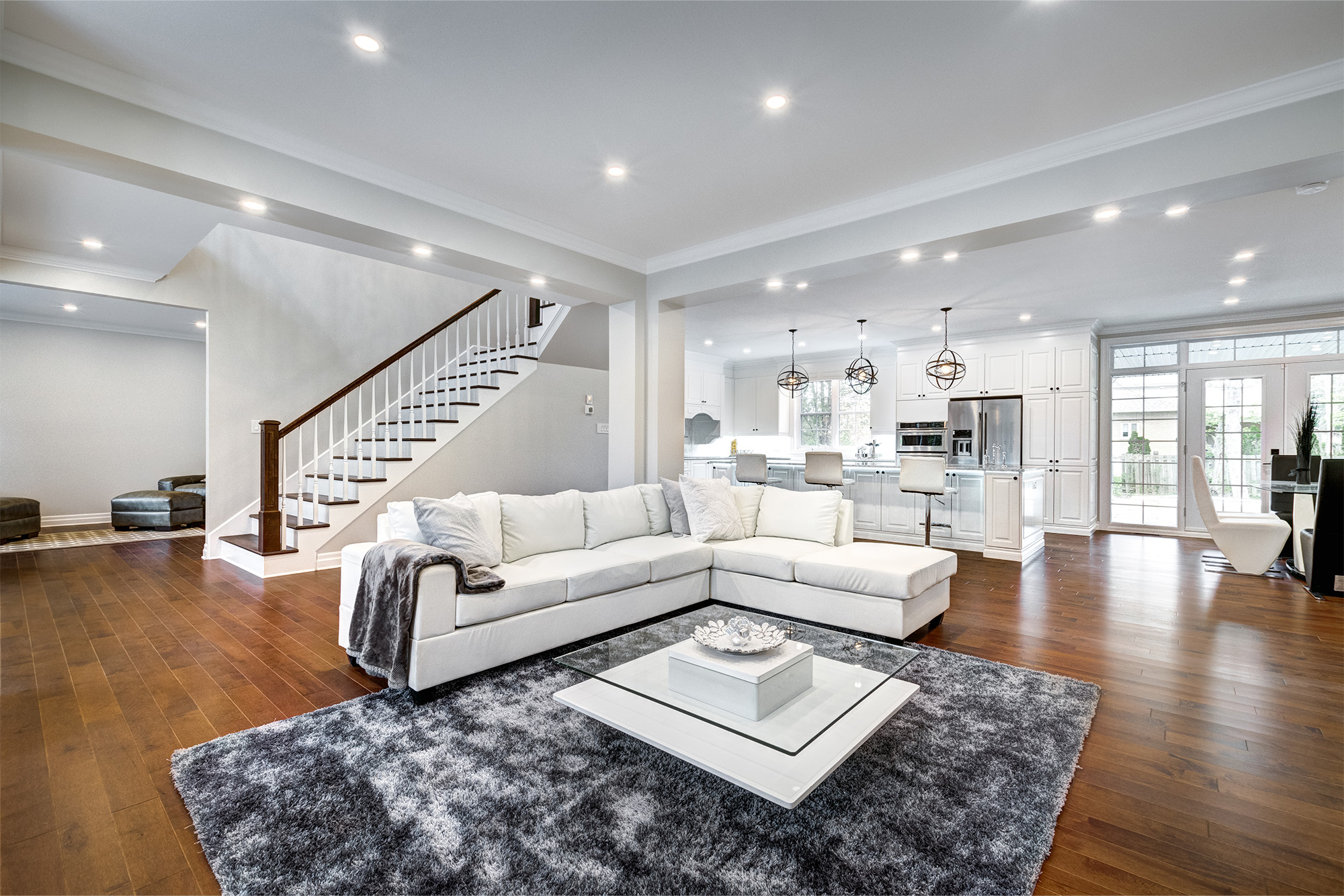
If you’ve just finished a flooring project and there’s a roll of extra carpet leaning in the corner, you’re sitting on design gold. Those leftover pieces can become custom rugs, runners, and play mats that fit your rooms far better than most off‑the‑shelf options—and they can do it without blowing your budget.
In our South Florida homes, where open layouts, condos, and sliders to the patio are common, being able to turn remnants into made‑to‑measure rugs is especially useful. With the right binding and a little planning, you can create pieces that look intentional, not improvised.
Why Leftover Carpet Makes Great Custom Rugs
Broadloom carpet is designed to cover entire rooms, which means it often has richer texture, heavier backing, and more pattern options than many ready‑made rugs. When you cut it down and finish the edges properly, you get a rug that feels substantial underfoot and suits the way you actually live.
The key is the edge. Raw carpet will fray and curl, but once it’s bound, it turns into a finished piece that can sit on hard floors, layered over existing carpet, or in front of high‑traffic entries. Through our custom area rug work, we take that extra material and give it a clean, durable border so it behaves like a true rug, not a leftover scrap.
If you’re still choosing materials for a project, this is also a reason to think ahead. Selecting a broadloom you love in a neutral tone can give you matching runners and accent rugs later, all cut from the same dye lot for a completely coordinated look.
Smart Spaces for Remnant Rugs and Runners
Once you start looking, you’ll see opportunities for remnant‑turned‑rugs all over the house. Hallways and entries are natural candidates. Long, narrow pieces can be cut to your exact dimensions so you’re not stuck with a runner that’s either too short or bunched against a door. That’s especially helpful in condos where every inch of corridor matters.
Living and dining areas benefit from custom sizing too. Many South Florida floorplans combine these spaces into one large rectangle, and standard rug sizes rarely land in the right place under both the sofa and the table. Having a rug cut to your specific layout lets you define a seating zone, keep front furniture legs anchored, and still leave clean walkways to sliders or balconies.
You can also carve out specialty zones—a soft play corner on tile, a cushioned spot beside the bed, or a protective mat under a home office chair. Because you’re starting with carpet, you control the pile height and texture, which makes it easier to balance comfort with ease of rolling, cleaning, and moving furniture. If you’d rather start from scratch, you can browse the ready‑made options in our area rug collection and then decide where custom pieces would fill the gaps.
Design Ideas That Make Your Rug Feel Custom, Not “Leftover”
To make these rugs look intentional, focus on proportion, shape, and edge detail. A remnant that’s trimmed just a few inches from each side can frame a seating arrangement beautifully, while a piece cut with rounded or clipped corners can help avoid trip points near door swings or tight turns.
Edge style matters as much as size. The color and profile of the binding can either disappear or become a subtle design line. Choosing a tone that echoes your floors or trim creates a quiet, built‑in look. Opting for a slightly darker or lighter border can outline the rug and make it feel like a deliberate accent.
If you’re working with patterned carpet, pay attention to where the pattern starts and stops when it’s cut. Centering a motif under a coffee table or aligning stripes with the length of a hallway can make the finished rug feel like it was designed for that exact spot. Our team does this kind of planning every day when we turn broadloom into custom‑cut rugs, so you don’t have to guess about where to trim.
Practical Tips: Pads, Hard Floors, and Everyday Wear
Even the best binding won’t fix a rug that slides or bunches, so a proper pad is essential. On tile, vinyl, or waterproof plank, you want a low‑profile, non‑staining pad that grips without sticking to the finish. That keeps the rug from creeping while still allowing you to lift it for cleaning or rearranging furniture.
Think about maintenance too. Shorter pile remnants make excellent runners in busy entries and halls because they trap grit before it reaches the rest of the house and vacuum easily. In quieter spaces, a slightly plusher cut can add the softness you may miss after replacing wall‑to‑wall carpet with hard flooring. If you’re still deciding what to put underfoot in the main areas, it can help to look at the broader flooring options we carry and imagine where rugs will layer on top.
When a remnant is too small or worn to stand on its own, it may still be worth salvaging as a mat under pet bowls, at a secondary entry, or in a laundry nook. Binding even these modest pieces extends their life and keeps loose edges from becoming a tripping hazard.
Bringing Your Leftover Carpet to Life
With a little planning, leftover carpet stops being clutter and becomes custom design. You can turn a single roll into matching runners, accent rugs, and play mats that all share the same color and texture, tying rooms together without committing to more permanent changes.
If you have remnants sitting in a closet—or you’re planning new floors and want to make the most of every yard—we can help you map out sizes, shapes, and edge styles that fit your rooms and your lifestyle. Our team has spent decades turning broadloom into tailored pieces through our custom rug binding service, and we’re happy to walk you through what’s possible with your specific carpet.
When you’re ready to explore ideas and get real numbers, you can request a free estimate and include details about any leftover carpet you’d like to transform into one‑of‑a‑kind rugs.


