
 Call for free estimate and shop at home

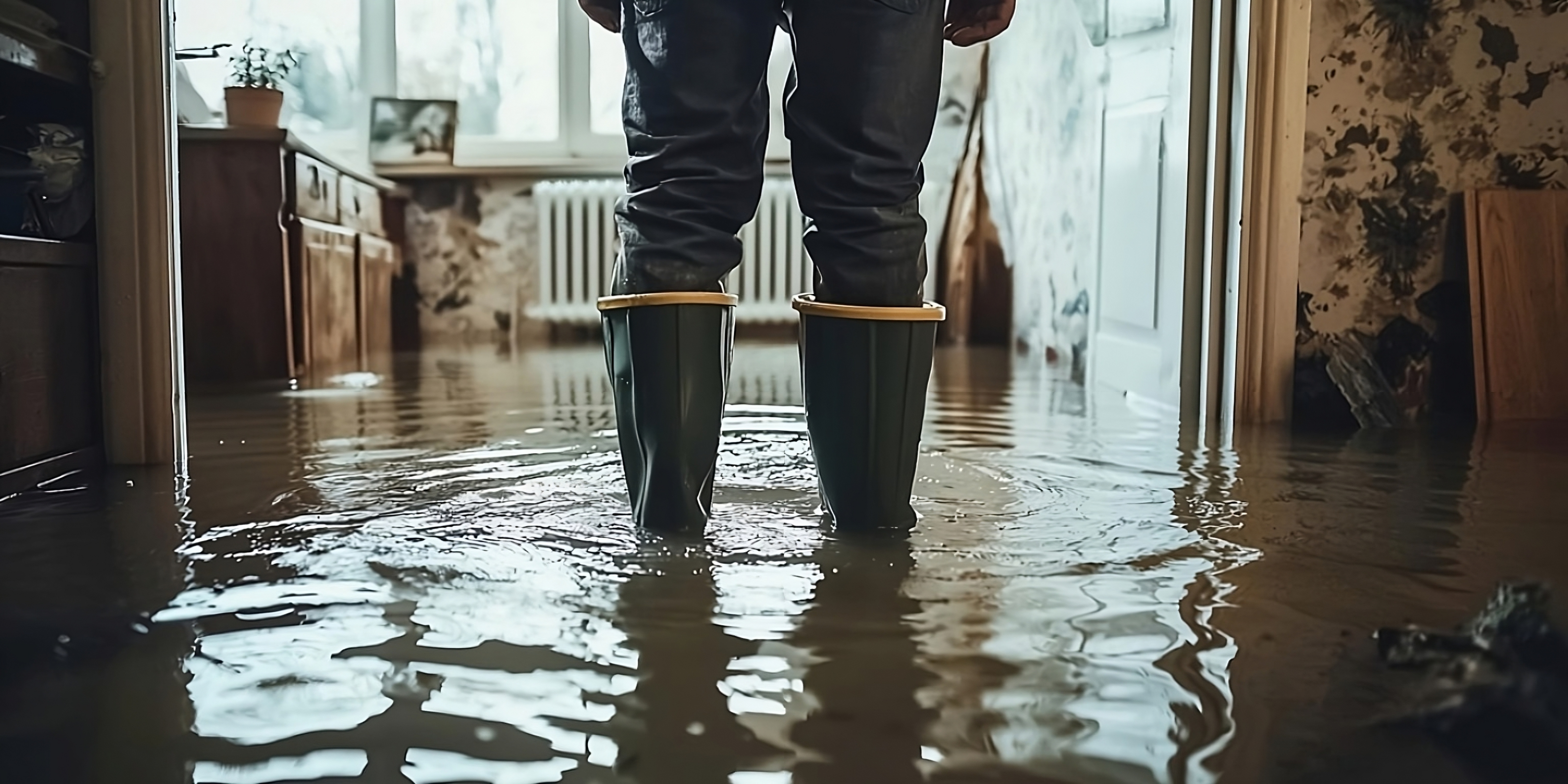
Water coming across your floors is one of those moments that makes your stomach drop. Maybe a supply line burst behind the fridge, maybe a washing machine overflowed, or maybe a summer storm pushed water in through a patio door. However it happened, you’re looking at wet floors and worrying what’s ruined and what can be saved.
In South Florida, where humidity is already high, what you do in the first 24–48 hours makes a huge difference in whether your floors can be repaired or need full replacement. We’ve helped Miami‑Dade and Broward homeowners through countless leaks and floods, so let’s walk through the steps calmly.
Step One: Stop the Water and Make It Safe
Before you think about flooring, make sure the source is under control. Shut off the water supply if it’s a plumbing issue, or block further intrusion if it’s wind‑driven rain. If there’s any chance water reached electrical outlets or power strips, cut power to that area and stay safe.
Once things are stable, get standing water off the floor as quickly as you can. Towels, a wet/dry vac, even a simple dustpan and bucket can help. The goal is to shorten the time your floors and subfloor sit in water; the longer they stay soaked, the higher the risk of warping, delamination, and mold.
If you’re unsure whether the structure under your floor has been affected, our professional installation team also handles repairs, and you can lean on that same expertise through our flooring installation services.
How Different Floors React to Water
Not every floor responds to a flood the same way. Around Miami, Fort Lauderdale, and Miramar we see a mix of tile, luxury vinyl, laminate, hardwood, and carpet—each has its own “tolerance level” for water.
Tile and grout usually handle short‑term water well, but water can sneak through cracked grout or failed caulk and soak the subfloor. If you notice hollow sounds when you walk, loose tiles, or darkened grout lines that don’t dry, that’s a sign we may need to pull a section up and inspect the subfloor.
Luxury vinyl and other waterproof flooring are designed to resist surface spills, which is why so many local homeowners choose options from our waterproof flooring collection. The catch is this: if water gets underneath—say from a wall leak or flood that comes in from the edges—it can still damage the subfloor and cause odors. The planks might survive, but the structure below may not.
Laminate and hardwood are more vulnerable. Prolonged exposure often leads to cupping, buckling, or gaps. Light “cupping” after a minor leak sometimes improves once everything dries, but severe warping, soft spots, or persistent musty smells usually mean sections have to be replaced.
Carpet and pad can sometimes be saved after a clean‑water leak if we can lift, dry, and sanitize quickly. But if the water came from outside, a sewer backup, or sat for days, replacement is usually the safer route for your health.
Drying Out: What You Can Do vs. When to Call Us
Once the visible water is gone, the real work is letting everything dry thoroughly.
Open windows if the weather allows, run fans, and crank up the AC or a dehumidifier. In our climate, you’re fighting both the water from the leak and the everyday humidity in the air, so the more air movement and drying power you can create, the better.
There are a few clear signs it’s time to bring in a flooring pro rather than trying to “wait and see”:
- The floor is buckling, bubbling, or lifting.
- Boards or tiles feel soft, spongy, or hollow.
- The room smells musty even after several days of drying.
- You see visible mold on baseboards, tack strips, or under flooring.
When that happens, we can provide a no‑obligation in‑home assessment to measure, inspect, and plan repairs through our free estimate request. We’ll tell you honestly whether a repair is realistic or if replacement is the smarter long‑term move.
Repair, Replace, and Plan for the Next Storm
After a leak or flood, most homeowners in our area want two things: to get back to normal quickly and to be better prepared next time.
Sometimes that means we only replace damaged sections—like a few rows of warped hardwood or a small area of swollen laminate—and blend the repair so it looks seamless. Other times, especially after major water exposure, starting fresh with a more water‑resistant material is the safest and most cost‑effective option.
If you’re ready to upgrade, we can bring samples right to your door with our mobile showroom. You can learn more about how we bring flooring directly to Miami‑area homes through our shop‑at‑home mobile service, which is especially helpful if you’re juggling insurance adjusters, contractors, and everyday life.
When we replace damaged floors, we focus on:
- Checking and, if needed, repairing or replacing damaged subfloor
- Using installation methods that allow materials to expand and contract properly
- Suggesting materials that hold up better to future leaks, like waterproof vinyl, tile, or certain moisture‑resistant carpets
Because we’ve been working in South Florida homes for over 50 years, we’ve seen how different products perform after real‑world floods. If you’d like guidance based on other homeowners’ experiences, you can always see how past projects have gone by looking at our customer reviews.
Not Sure Where to Start? Let Us Walk Through It With You
Dealing with a leak or flood is stressful enough without guessing what’s happening under your floors. At Don Bailey Flooring, we’re here to help you sort out what can be saved, what needs to go, and what makes sense for your home going forward.
You can reach out any time through our contact page to speak with our team, or set up a personalized visit for an in‑home inspection and estimate. Whether you’re in Miami, Fort Lauderdale, Miramar, or nearby, we’ll help you get from “flooring emergency” back to a dry, comfortable home as quickly and safely as possible.


