
 Call for free estimate and shop at home

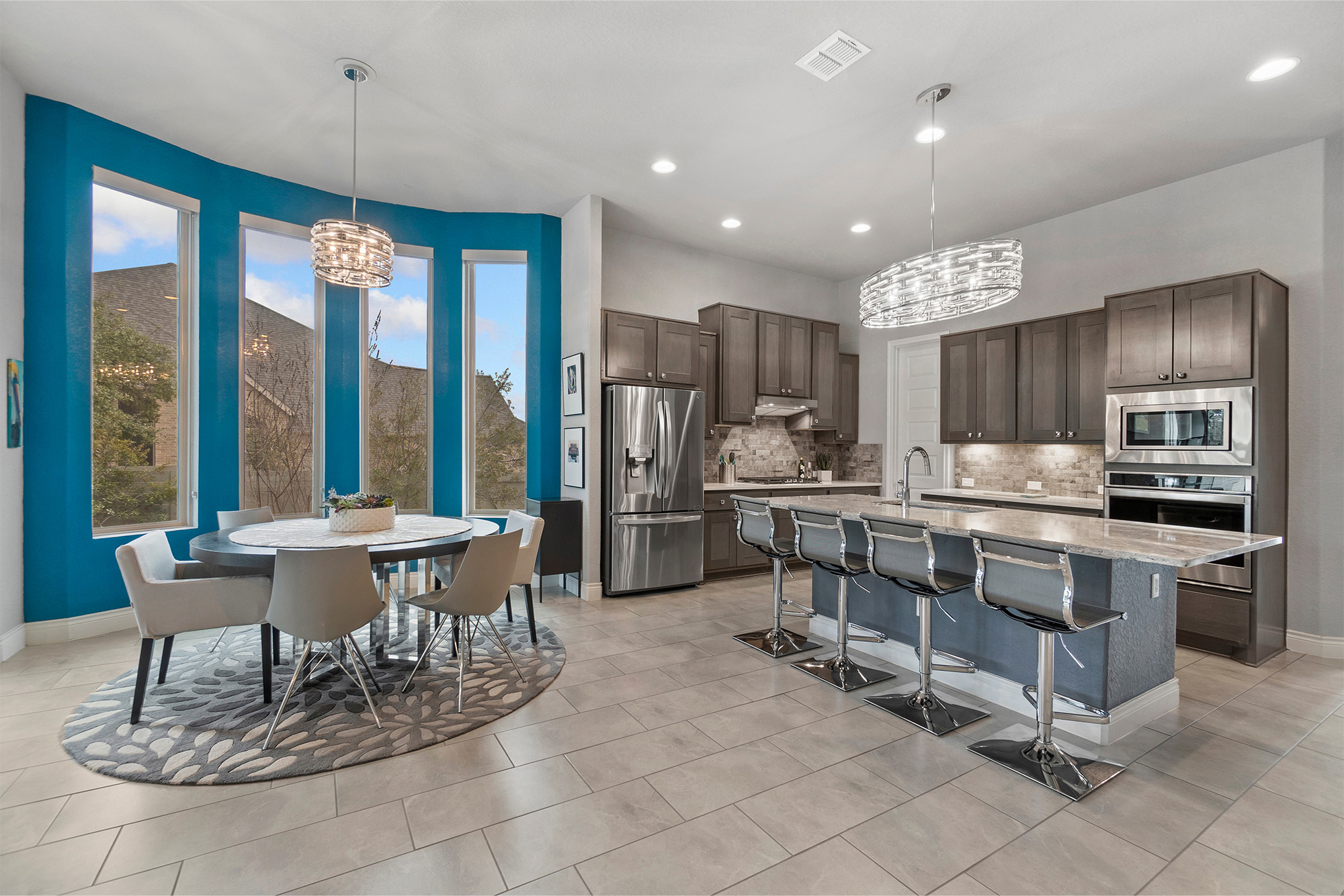
You know the feeling: the sofa works, the dining table still fits the room, and the floor looks good on its own—yet once the rug goes down, everything suddenly feels a little off. Usually, the problem is not the individual pieces. It is the relationship between them. Good coordination comes from treating the floor, rug, and furniture as one composition instead of three separate purchases.
Start with the floor as the room's background
Your flooring covers the largest visual area in the space, so it should guide every other choice. A dark wood-look surface creates a very different mood than pale tile, and each one changes how color and texture read once furniture is in place. Before you shop, notice the undertone under natural light. Is it warm, cool, sandy, gray, or red? That answer matters more than the exact brand name or trend.
Rugs work best when they create contrast without conflict. If your floor has strong pattern or movement, a quieter design often helps the room settle down. If the surface is smooth and understated, you have more freedom to introduce texture, border detail, or a bolder motif. Homeowners comparing options can browse area rug styles to see how different looks play against a finished room rather than imagining everything in isolation.
Let furniture shape the size decision
One of the most common mistakes is choosing a rug that is too small for the furniture grouping. When that happens, the room looks disconnected, even if the colors are right. In a living room, the front legs of the main seating pieces should usually sit on the rug so the arrangement feels anchored. In a dining room, the rug needs enough perimeter for chairs to slide back and stay on the surface. In a bedroom, the goal is often softness where your feet land first, not just coverage under the bed.
This is where proportion becomes more important than decoration. A beautiful piece in the wrong dimensions can make a well-furnished room feel accidental. If your layout is unusual, or you are working around a sectional, narrow condo footprint, or specific table size, it may make more sense to explore custom rug binding so the finished piece fits the room instead of forcing the room to fit a standard size.
Match texture and color to what you already own
Once size is settled, look at the furniture materials before choosing pattern. Leather, linen, velvet, glass, wood, and metal all reflect light differently, so the rug should help balance the mix. If the room already has heavy texture—woven chairs, grainy wood, boucle upholstery—a simpler foundation can keep it from feeling busy. If the furniture is sleek and tailored, a softer pile or more visible weave can add warmth.
Color coordination is easier when you stop trying to match everything exactly. A rug does not need to repeat the sofa color to belong in the room. It just needs to echo something nearby, whether that is the wood tone in a table leg, the trim on a chair, or a small note from the artwork. In South Florida, light shifts quickly during the day, so samples often read differently at home than they do under showroom lighting. That is one reason some homeowners prefer shop-at-home services, where materials can be viewed next to the furniture and flooring they need to work with.
Use the rug to solve a design problem, not just decorate
The best rug choices are practical as well as attractive. They can soften a large room, define one zone in an open layout, protect the surface beneath heavy pieces, and make seating areas feel more finished. On the custom rug page, Don Bailey Flooring also notes that well-chosen pieces can help reduce worry about dents or crushing beneath substantial furniture, which is a useful reminder that coordination is not only visual.
That matters in homes across South Florida, where open-concept plans and multi-use rooms often need clearer definition without adding walls. A rug can create that structure quietly. Instead of asking, "What color should I buy?" ask, "What job does this need to do?" Once you answer that, the right style usually becomes much easier to spot.
When you are ready to compare options in person or figure out the right dimensions for a tricky layout, you can start with a free estimate and get guidance based on your room, your furniture, and the flooring already in place.


