
 Call for free estimate and shop at home

A great rug can pull a whole room together—until the edges start curling, loosening, or shedding fibers every time someone walks by. In many South Florida homes, where sand, humidity, and constant foot traffic are part of daily life, fraying rug edges are one of the first signs your rug needs attention.
You don’t always have to toss the rug and start over. There are a few simple things you can do at home to stabilize those edges, buy yourself some time, and decide whether a professional binding is worth it.
Why Rug Edges Start to Fail
Rug edges take the brunt of daily wear. Shoes catch them, vacuum cleaners pull at them, pets chew or scratch, and in our humid climate the backing can soften over time. Once a corner starts to curl or threads begin to unravel, the damage tends to spread quickly—especially on looser-woven or budget rugs.
That’s where edge repair comes in. Home fixes focus on three goals:
- Stop active fraying so it doesn’t get worse
- Flatten or secure loose corners to reduce tripping
- Make the rug presentable until you’re ready for a more permanent solution, like custom binding
If you’re realizing this particular rug is important to your space, it can also be a good moment to look at your overall rug plan. Many homeowners around the region use a mix of ready‑made area rugs and custom pieces so every room has the right size and finish.
Quick DIY Fixes for Loose or Fraying Edges
You don’t need professional tools to do a basic edge repair. What you choose depends on how bad the problem is.
For minor fraying (a few loose threads): Carefully trim any long, stray fibers with sharp scissors—never yank them. Then seal the cut ends with a small amount of clear fabric glue along the edge. Work in a thin line and press gently with a piece of wax paper or a plastic card until it dries. The goal is to “freeze” the fray in place so it can’t keep unraveling.
For corners that curl up: Lay the rug upside down and slightly dampen the backing at the corner (not the face fibers). Place a clean towel over it and weigh it down with books or a heavy box overnight. Once it’s flattened, use rug corner grippers or double‑sided carpet tape on the underside to help keep that spot from lifting again. This is especially helpful on tile, vinyl, or luxury vinyl floors that are common in South Florida condos.
For edges that are loosening from the backing: If you can see the binding tape or stitching separating from the rug, you can sometimes re‑secure short sections with heavy‑duty fabric adhesive. Apply a small bead where the binding meets the rug body, then press firmly and let it cure fully before walking on it. This is a temporary reinforcement, but it can add months of life to a favorite rug.
If you find that you’re doing this over and over, that’s a sign the rug might be a good candidate for professional binding instead of repeated DIY patches.
When a Rug Needs More Than a DIY Touch
There’s a point where home repairs start to look… like home repairs. If you see any of these, it’s time to consider a more permanent solution:
- The rug edge is frayed along several feet, not just a small spot
- The original edging has come off in sections
- The rug is an odd size that’s hard to replace
- You love the pattern, but the border looks tired or dated
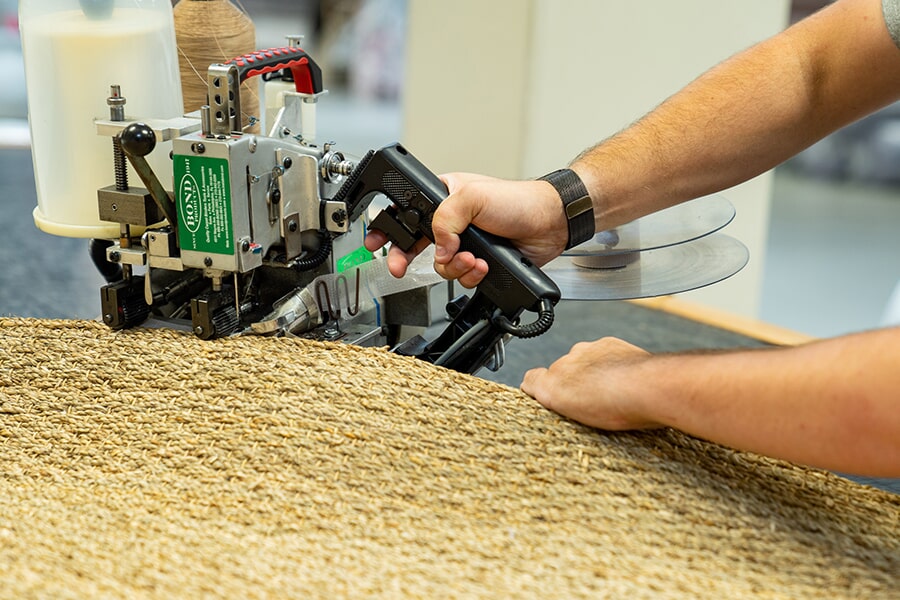
In those situations, professional custom rug binding can essentially give your rug a new frame. At Don Bailey Flooring, our custom area rug binding service lets you add a fresh, durable edge to existing carpet or rugs, or even have a rug made to your exact size. That’s especially helpful in open‑concept spaces and long condos in Miami and Fort Lauderdale where standard rug sizes often don’t fit.
A new binding does more than stop fraying:
- It protects the rug’s structure from further unraveling
- It cleans up the visual line so the rug looks finished again
- It can update the style with a different color or width of binding
If you’re not sure whether your rug is worth that investment, you’re welcome to contact our team and describe what you’re working with. We can talk through options and help you decide if binding, replacement, or a new custom rug is smarter.
Planning Your Next Step: Repair, Replace, or Go Custom
Once the edges are stabilized, take a step back and look at the bigger picture. Is this rug still the right size, style, and quality for the room? Or has your space changed?
Throughout South Florida, many homeowners use this moment as a chance to rethink their layout—maybe upgrading to a larger rug under a sectional, adding a hallway runner, or choosing a better fiber for sand, pets, or pool traffic. You can always browse our area rug collection for inspiration, then compare it to what you already own.
If you love the idea of a perfect fit—say, a long runner for a Sunrise hallway or a custom‑sized rug for a Biscayne living room—our team can help you create a custom‑bound rug from broadloom carpet. That gives you the pattern, size, and edge finish you want, without settling for “almost right.”
When you’re ready to explore costs and options, you can request a free estimate and we’ll walk you through what makes sense for your home and budget.
Wrap‑Up: Protect the Rug You Love
Loose and fraying edges don’t have to be the end of a favorite rug. A little trimming, gluing, and flattening can slow the damage and keep things safe underfoot. When the wear goes beyond what a tube of fabric glue can fix, professional binding gives that rug a second life—often with a cleaner, more polished look than it had when you bought it.
If you’d like help deciding whether to repair or replace, or you want to see binding options in person, you can find a Don Bailey Flooring location near you or reach out to discuss your project. Our team has been helping South Florida families get more life and style out of their floors and rugs for over 50 years, and we’re happy to help you do the same.


