
 Call for free estimate and shop at home

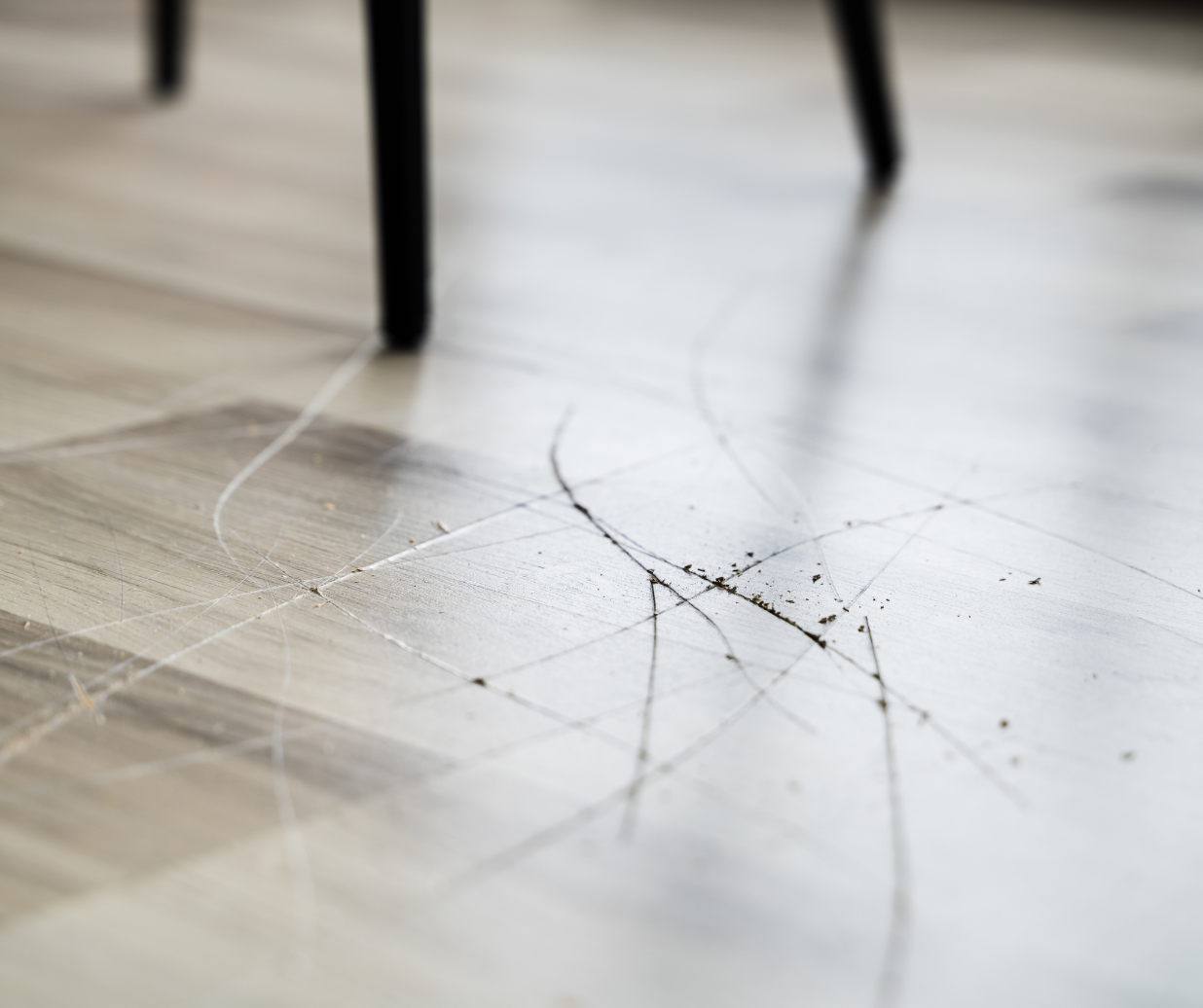
You’re walking across the living room and something feels off. A board lifts a little under your foot, or a tile sounds hollow when you tap it. Before you jump straight to worst‑case scenarios or start ripping things out, it helps to know what you’re actually seeing.
This guide gives you a simple way to “read” floor damage in a South Florida home so you can describe it clearly, avoid panicking over minor issues, and recognize when it’s time to bring in a professional.
1. Visual clues: what your eyes are really telling you
Most floor problems start with what you can see. The trick is separating true damage from normal aging.
Cupping and crowning (wood and some laminates) If boards look higher along the edges than in the center (cupping), or puffed up in the middle (crowning), moisture is usually involved. In our humid climate, this can come from indoor humidity, leaks, or even a wet subfloor. Light, even cupping after a rainy spell might settle as the house dries out; severe rippling or boards that stay distorted are a sign that you should have an expert check the subfloor and the way the planks were installed.
Gaps between planks Thin lines that open slightly in cooler, drier months and close again in summer are often just seasonal movement. Gaps that stay wide, collect debris, or seem to grow over time can signal installation issues or ongoing moisture changes. Those are worth a closer look from a repair‑savvy installation team.
Cracked or loose tiles One cracked tile near a heavy appliance might just be impact damage. A pattern of cracks, or grout that keeps crumbling in the same area, can point to movement in the subfloor or past water intrusion. Tiles that sound hollow or “drummy” across a wider section can mean the bond to the slab has failed, which often calls for professional removal and replacement in that zone.
When you see recurring patterns—multiple problem boards or tiles in the same area—it’s a good time to lean on the kind of installation expertise detailed in our flooring installation services, because the root cause is rarely just cosmetic.
2. What your feet and ears can reveal
Your floor can feel fine to the eye but tell a different story underfoot.
Soft or spongy spots If an area feels bouncy, or your heel sinks more than it should, there may be damage in the subfloor or adhesive. In wood or laminate, this can follow a past leak. Under tile or vinyl, it can indicate loose thinset or compromised glue. A single soft spot near a fridge line or bathroom is a red flag for hidden moisture.
Squeaks and creaks Every house has a few noises, especially older ones. But new or suddenly louder squeaks along a traffic path can mean fasteners are loosening or materials are rubbing as the structure moves. In a concrete‑slab home, clicks and pops from floating floors sometimes come from minor surface imperfections; in framed floors, repeated squeaks in one area deserve attention before they turn into wider movement.
Hollow sounds Tap tiles or planks lightly with a knuckle. A solid installation has a consistent, duller sound. Sharp, hollow tones scattered randomly may not be urgent. A large, clearly defined hollow area—especially near doors, tubs, or exterior walls—can be a sign of failing adhesive or voids under the surface.
If you’re not sure how serious those sounds are, reading through how our professional installation team prepares and repairs subfloors will give you a sense of what’s involved when hollow or soft areas need to be fixed properly.
3. Smell, stains, and other hidden‑damage hints
Some of the most important signals aren’t visual at first glance.
Musty or “old water” smells Odors that linger even after you clean can point to moisture trapped under carpet, vinyl, or wood. This is especially common near sliding doors, bathrooms, and AC closets in our region. A musty smell plus any soft spots or staining is a strong sign to stop guessing and schedule an inspection.
Discoloration and surface stains Darkened edges on wood, yellowing around baseboards, or grout that stays darker in one patch often trace back to past leaks. Even if the surface has dried, the material below may still be compromised. Some of these issues can be handled with targeted patching or board replacement instead of a full tear‑out, but only if the underlying structure is sound.
Warped transitions and thresholds If T‑moldings or transition strips between rooms rise, crack, or pull away, they’re telling you that the floors on either side are moving differently. That might be from shifting humidity, minor settling, or installation shortcuts. Catching that movement early makes it easier to correct with smaller repairs rather than major reconstruction.
Customer stories on our reviews page show how often these small warning signs turn into successful spot repairs when they’re addressed promptly instead of ignored.
4. When it’s safe to watch and when to call a pro
Not every imperfection is an emergency. A simple way to think about floor damage is by risk level.
- Usually safe to monitor:
- Hairline gaps that change with the seasons
- Light surface scratches that don’t catch a fingernail deeply
- One‑off squeaks that stay in the same board and don’t worsen
- Worth a professional look soon:
- Repeating cracks or loose tiles in the same area
- Cupping or crowning that doesn’t flatten as conditions change
- Musty smells, especially combined with discoloration or softness
- Soft or spongy areas, even if the surface looks fine
The more boxes you’re ticking—sight, sound, and smell—the stronger the case for a professional evaluation. Because our crews handle both new installs and repairs, they’re trained to separate cosmetic issues from structural problems and recommend the least invasive fix that will actually last.
If you’re thinking ahead to new materials in a problem room, browsing our range of waterproof flooring options can help you plan upgrades that are more forgiving of everyday spills and humidity, so you’re less likely to face the same damage again.
5. Getting ready for a repair visit
A little preparation makes a repair appointment faster, clearer, and often more affordable.
Before you call, jot down:
- Where you see or feel the problem (room, wall, or doorway).
- When you first noticed it, and if it’s changed over time.
- Any leaks, storms, or plumbing issues that happened nearby.
Photos taken in natural light—wide shots plus close‑ups—also help set expectations. During the visit, a good repair‑focused installer will check moisture levels, look for subfloor movement, and explain whether you’re looking at a simple patch, a board or tile replacement, or a situation where larger sections should be redone.
If you’re planning to combine repairs with a style refresh, it can also be useful to get a feel for the broader flooring collections we carry, so any necessary tear‑outs can be coordinated with new finishes instead of done twice.
Ready to have a pro read your floor damage?
You don’t have to diagnose every squeak or crack on your own. Once you’ve taken a closer look and gathered a few notes, our team can step in, confirm what’s going on, and outline realistic repair options for your South Florida home. If you’re seeing more than minor wear, it’s a good time to request a free estimate and let us take it from there.


