
 Call for free estimate and shop at home

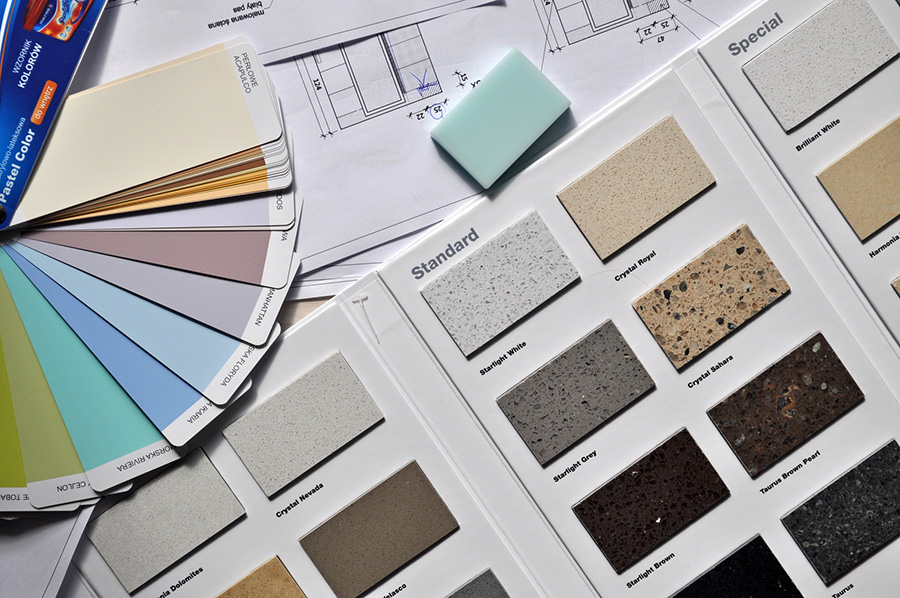
You bring home a few samples, set them on the floor, glance at them once in the afternoon, and somehow they all look different by dinner. That’s the moment most people start doubting every choice. The good news is that color-testing at home doesn’t have to feel like a guessing game. With a simple method, you can see what a floor will really look like in your space and make a decision you won’t keep revisiting.
Start with light, not the label
The first mistake homeowners make is judging a color too quickly. A warm oak can read beige in morning light, golden at noon, and almost gray at night if your lamps run cool. Before you decide anything, place samples in the room where the new floor will actually live and check them at three points in the day: morning, late afternoon, and evening. The goal is not to find a color that looks perfect for five minutes. It’s to find one that stays comfortable in changing light.
This is one reason many people prefer to have samples brought to your home instead of relying on a quick showroom impression. Seeing options against your own walls, cabinets, and furniture gives you a much clearer read than trying to remember how something looked under store lighting.
Test beside the colors that won’t change
Flooring doesn’t exist on its own. It sits next to paint, upholstery, countertops, trim, and natural light, all of which affect how you perceive undertones. Put your sample beside the largest fixed elements in the room first. If you have white cabinets, look for whether the floor suddenly turns pink, yellow, or flat. If you have a bold sofa or patterned drapery, check whether the tone still feels balanced.
Try not to compare five or six options at once for too long. After a certain point, the differences start to blur and you end up second-guessing details that won’t matter once the whole floor is installed. Narrow it down to two finalists, then live with them for a day or two. In many South Florida homes, that extra time matters because strong sun can exaggerate undertones you might miss on first glance.
Look at the sample the way the room will use it
A sample leaning against the wall doesn’t tell the same story as one laid flat where people walk. Place it on the floor and step back. View it from the doorway, from your usual seat, and from the adjoining room. A color that seems rich up close may look much darker across a large open area.
It also helps to think about what you want the room to feel like. Lighter tones can make a space feel more open. Mid-tones often hide daily dust and footprints better. Darker colors can add contrast, but they may also emphasize pet hair or fine debris depending on the finish. If you’re layering the room afterward, browsing different area rug styles and sizes can help you picture how the floor color will behave once the space has texture and softness back in it.
Don’t ignore transition spaces
One sample can look perfect in a bedroom and wrong the second it meets the hallway. That’s why you should test near thresholds, not just in the center of the room. Stand where one space flows into the next and ask whether the color still makes sense. This is especially important in open layouts, where one flooring choice has to connect several zones without feeling too busy or too cold.
If you’re trying to solve an awkward size or shape after installation, some homeowners also use custom-cut area rugs to soften a seating area or define a dining space without hiding the floor they worked so hard to choose. That can take pressure off the idea that the flooring has to do everything on its own.
Choose the color you trust, not the one you keep re-auditioning
If you keep pulling one sample back out, pay attention to that. Usually, the right choice isn’t the most dramatic one. It’s the one that works in daylight, still feels right at night, and doesn’t fight the rest of the room. In Fort Lauderdale and throughout South Florida, where bright natural light changes a room fast, a steady, adaptable color often wins over a trendy one that only looks right under certain conditions.
When you’re ready to stop guessing, the simplest next step is to request a free estimate after you’ve narrowed down what you want to see in person. That way, you move from comparing swatches to making a confident plan.


