
 Call for free estimate and shop at home

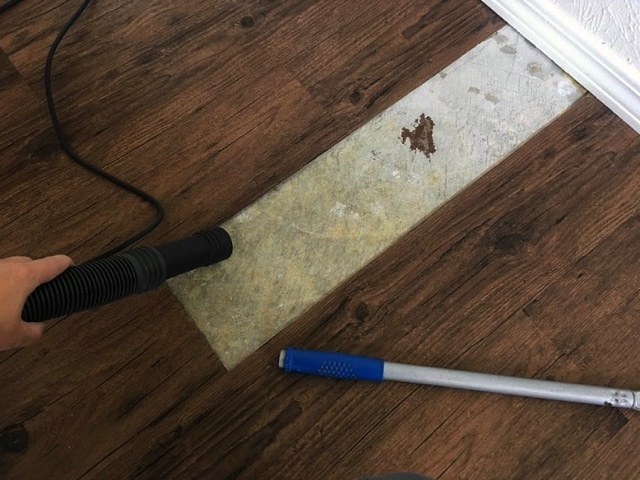
It’s easy to assume that visible damage means the whole floor has reached the end of the road. A lifted corner, a soft spot, a torn seam, or a few cracked planks can make a room feel worse than it is. But in many homes, targeted repairs can buy you meaningful time, restore appearance, and keep a manageable problem from turning into a full replacement before it’s truly necessary.
When a small problem is still a repair problem
The best candidates for spot fixes are issues that are localized, stable, and caught early. Think of a carpet wrinkle that has not worn through, a section of material damaged by a dropped appliance, or a limited area where moisture affected the surface but did not spread across the entire room. In cases like these, the goal is not to pretend nothing happened. It is to stop the damage, correct the weak point, and preserve as much of the original floor as possible.
That matters even more in South Florida, where humidity can make minor issues worsen faster than homeowners expect. A loose edge can invite more movement. A small opening can let in grit and moisture. A soft area can place extra stress on the surrounding material. If you wait until the damage expands, you lose the option of a surgical fix and start moving toward broader demolition instead.
The kinds of repairs that often make sense
Some problems respond especially well to a targeted approach. Carpet can often be improved with re-stretching, seam correction, or patching when the damaged area is limited. Hard-surface floors may allow replacement of individual boards or tiles if the surrounding field is in good condition and the cause of the problem has been addressed. Subfloor trouble is different, but even there, a repair may still be possible if the issue is isolated rather than widespread.
Don Bailey Flooring lists flooring repairs and subfloor repair among its services, which is important because the right solution depends on what failed first: the surface, the support underneath, or both. That distinction is where many homeowners go wrong. They focus on what they can see, when the real decision should be based on what caused the symptom in the first place.
When repairs are smarter than replacement
A full replacement makes sense when damage is widespread, when materials are no longer stable, or when matching the existing surface is unrealistic. But there are plenty of moments before that point where repair is the smarter move. If the rest of the room still has life left, a localized fix can protect your budget and postpone a larger project until the timing works better for you.
It also helps to work with a company that handles professional installation work for multiple flooring types, because repair decisions are usually tied to how the floor was assembled in the first place. The installation page notes availability for carpet, hardwood, laminate, waterproof, vinyl, and porcelain, which tells homeowners there is broad familiarity with different systems and how they behave when something goes wrong. Just as important, Don Bailey Flooring states that it only installs flooring purchased through one of its warehouse showroom locations, so it is worth confirming product history before planning the fix.
Why diagnosis matters more than the patch itself
The visible flaw is only half the story. A bubbling section may point to trapped moisture. A separated seam may reflect movement below. A cracked tile can come from impact, but it can also signal deflection underneath. A repair holds up best when the cause is corrected, not just the cosmetic damage on top.
That is one reason many homeowners appreciate being able to review options through shop-at-home services, especially when they want to compare materials under their own lighting before deciding whether to repair one area or start planning for a future update. In places like Fort Lauderdale or Miami, that practical side of the decision matters. Homes do not just need attractive surfaces; they need materials and methods that fit the way the space actually lives.
Knowing when to call for an expert opinion
If you are seeing recurring movement, moisture staining, hollow sounds, or damage that seems to spread after cleaning or weather shifts, it is time to stop guessing. A small issue can still be a small project, but only if someone evaluates it before the surrounding floor starts to fail too.
If you want help deciding whether a localized fix is enough or whether replacement is the better investment, you can start by reviewing showroom locations or request an appointment through the free estimate form. A careful assessment can tell you whether your floor needs a patch, a structural correction, or a larger plan down the road.


