
 Call for free estimate and shop at home

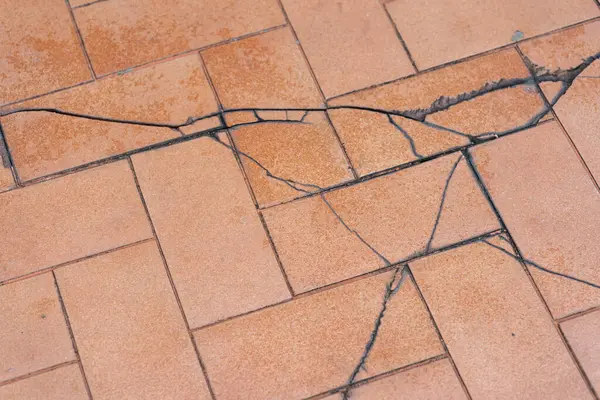
Those charming terrazzo thresholds, original wood planks, or vintage tile patterns are a big part of why older South Florida homes feel so special. But under that character, there can be quiet problems building—especially in a climate that’s tough on materials.
In many South Florida homes built decades ago, water, humidity, and shifting subfloors can cause damage you don’t see until it’s expensive to fix. The good news: you can usually catch issues early if you know what to look and feel for.
As a family-owned flooring company that’s been working in Miami-Dade, Broward, and Palm Beach since 1971, we’ve seen just about every kind of “hidden” floor problem. Here’s a practical guide to spotting trouble before it turns into a major repair.
Subtle Signs Your Floors Are Hiding Damage
Hidden damage rarely starts with something dramatic. It usually shows up as small changes in how your floors look, sound, or feel underfoot.
In many older homes around our area, these early clues include:
- Soft or “spongy” spots under carpet, vinyl, or wood
If part of the floor gives a little when you step, the subfloor underneath may be weakened by moisture or rot. It’s easy to miss when there’s thick padding or an area rug on top.
- Isolated squeaks or creaks that get worse over time
A little noise can be normal in older structures, but when one area suddenly gets louder or spreads, it can point to loose fasteners, warped subfloor panels, or joists shifting from moisture.
- Subtle dips or ridges
You might notice furniture wobbling in one corner, or a small hump along a wall. In South Florida’s humidity, wood products can swell, and concrete slabs can crack or settle, creating uneven spots that hint at larger structural changes.
- Staining or dark “shadows” at the edges
Around baseboards, under doors, or where tile meets other flooring, darkened lines or stains can mean past or ongoing water intrusion—even if the top surface still looks solid.
Any one of these on its own doesn’t guarantee serious damage, but together they’re a strong signal to investigate. That’s where an experienced flooring team can help determine whether a targeted repair will solve the problem or if a larger section needs attention. Our crew that handles flooring installation and repair is trained to look past the surface and diagnose what’s really going on underneath.
How South Florida’s Climate Hides Floor Problems
For homeowners in the greater Miami and Fort Lauderdale area, climate is the quiet culprit behind a lot of hidden damage.
South Florida brings a tough combination: high humidity, salt in the air, heavy rain, and the occasional hurricane or plumbing leak. Over time, that environment can create issues you won’t immediately see:
- Moisture that seeps under tile or vinyl and sits on the slab or subfloor
- Condensation from air conditioning around vents and exterior walls
- Minor storm intrusion that dries on top, but lingers underneath
Older homes, especially those with original wood or older adhesive-based flooring, are more vulnerable. Adhesives can break down, wood can cup or crown from uneven moisture, and concrete slabs can crack, telegraphing movement up to the surface.
One smart long-term strategy is choosing materials that are built to handle this environment when you do need to repair or replace. Many South Florida homeowners are now opting for modern waterproof flooring options that resist swelling, buckling, and mold issues when exposed to everyday moisture.
When a Simple Repair Makes Sense (And When It Doesn’t)
Not every issue in an older home means it’s time to rip everything out. The key is understanding what’s cosmetic and what’s structural.
A localized problem—like a small soft spot by a fridge that once leaked, or a few loose boards in front of a sliding door—may be fixable with a focused repair. That could mean:
- Pulling up a section of flooring
- Replacing damaged subfloor panels or patching a slab crack
- Reinstalling or replacing only the affected planks, tiles, or carpet
Handled correctly, these repairs can extend the life of the entire floor and save you from a full replacement. Our installation team regularly performs this kind of targeted work as part of our broader flooring services, always weighing repair vs. replacement based on what we find underneath.
On the other hand, widespread soft areas, repeated moisture issues, or large sections of uneven flooring are often a sign that repairing just one spot would be a temporary Band-Aid. In those cases, it can actually be more cost-effective to plan a larger project and upgrade to a more resilient material.
If you’re not sure where your home falls on that spectrum, you don’t have to guess. You can request a free estimate, and we’ll walk through what we see, what’s causing it, and the most sensible path forward for your budget.
Getting Expert Eyes on Your Older Floors
Throughout South Florida, we meet homeowners who’ve lived with “quirky” floors for years, only to discover those quirks were early warning signs. Catching problems early usually means less disruption, lower cost, and more options.
A professional inspection looks beyond the surface:
- We listen for changes in sound as we walk your rooms
- We check transitions, doorways, and known moisture-prone areas
- When appropriate, we carefully lift a section to see what’s happening below
If you prefer to start from the comfort of home, you can also have our mobile showroom bring samples and expertise to you. It’s an easy way to discuss repair vs. replacement, see updated materials, and have samples brought to your home under your actual lighting.
Homeowners often tell us they wish they had called sooner once they see the finished result. If you’d like a second opinion on a soft spot, recurring squeak, or suspicious stain, you can get in touch with our team anytime. We’ll treat your older home with the same respect we’d give our own—and help you decide whether a careful repair or a fresh start is truly the better move.


