
 Call for free estimate and shop at home

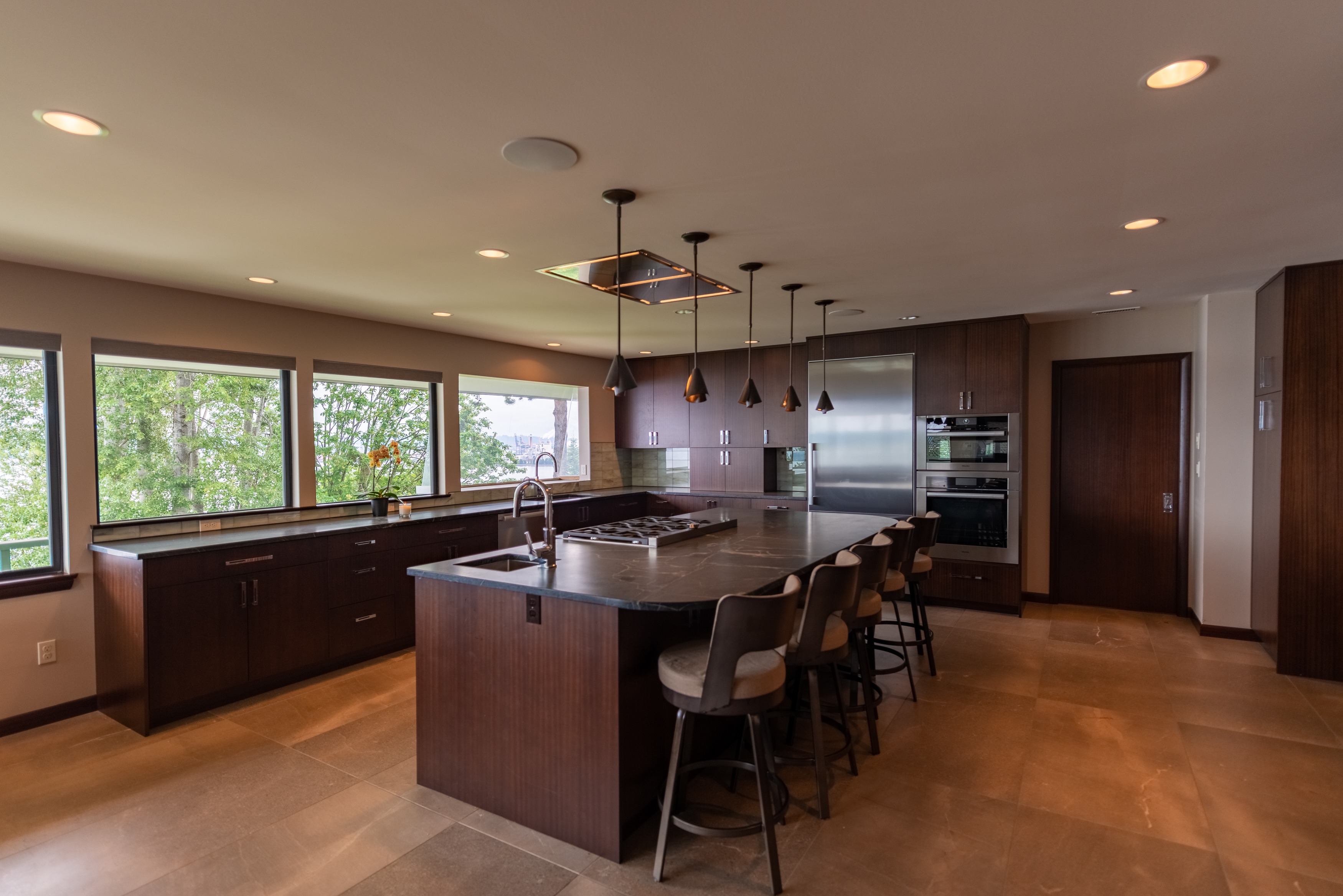
A new floor rarely stays “new” for long. The first few months are about enjoying the look, but after that, real life takes over—chairs scrape, pets race through the hallway, sunlight shifts color over time, and small problems begin to matter. If you plan for that full life cycle from the beginning, you make better decisions now and avoid bigger costs later.
Start with the first five years
The earliest stage is less about age and more about daily stress. In the first five years, most floors are still structurally sound, but this is when you learn whether the material truly fits the way your home functions. A formal living room may age gently, while an entry, kitchen, or family room shows wear much sooner.
That is why smart planning starts with maintenance expectations, not just color. If a surface gets heavy foot traffic, moisture, sand, or rolling furniture, you want to think beyond appearance and consider how easily it can be cleaned, protected, and touched up. When minor issues do show up—such as lifted edges, isolated damage, or early wear in one area—it helps to understand what is involved in flooring installation and repair before a small cosmetic problem turns into a larger disruption.
What to expect around year ten
By the ten-year mark, a floor often reaches its “decision point.” Some rooms need only targeted work. Others need a broader refresh because the finish has dulled, the pattern no longer fits the home, or repairs would become too visible to ignore. This is the stage where honest evaluation matters most.
Instead of asking, “Can I keep this a little longer?” ask a better question: “What gives me the best value over the next decade?” If the core floor still performs well, a repair may be the right choice. If the room needs a visual reset without a full replacement, softer layers can change how the space feels. Well-placed area rugs can protect worn zones, reduce noise, and help define seating or dining areas while buying you more time.
This approach makes particular sense in South Florida, where homes often balance open layouts, bright light, and constant movement between indoor and outdoor spaces. A rug is not just decoration. It can be part of a longer-term preservation strategy.
Planning twenty years out means thinking in systems
Once you look twenty years ahead, the conversation gets bigger than the floor itself. You start thinking about furniture changes, remodel timing, household aging, and how lifestyle shifts affect what happens underfoot. A young family may prioritize resilience now, then care more about comfort and acoustics later. A condo owner may want flexibility because room use can change several times over two decades.
Long-range planning also favors adaptable solutions. For example, rooms with unusual dimensions or evolving layouts benefit from options that are easier to resize or rework over time. That is one reason some homeowners explore custom rug binding when they want coverage tailored to a specific space without committing the entire room to wall-to-wall material.
If you are comparing long-term options across Fort Lauderdale or Miami, it also helps to see materials in your own lighting and alongside your existing furnishings. Being able to have samples brought to your home can make future-focused decisions easier because the right choice on a showroom floor does not always behave the same way in a real room.
A good floor plan includes repair, protection, and timing
The biggest mistake homeowners make is treating flooring as a one-time purchase. In reality, it is a long-term home system with phases: installation, maintenance, selective repair, visual updates, and eventual replacement. When you expect those phases, you stop reacting and start planning.
That planning mindset helps you budget better too. A minor repair at the right time may extend usefulness for years. A rug in a high-wear zone may preserve the material below it. And if replacement does become the smarter move, you can make that decision calmly instead of under pressure after damage spreads.
The goal is not to make one floor last forever. The goal is to make each stage of its life work well for your home.
When you are ready to think through the next five, ten, or twenty years, Don Bailey Flooring can help you weigh repair, protection, and replacement with a practical eye. You can request a free estimate to talk through what makes the most sense for your space.


