
 Call for free estimate and shop at home

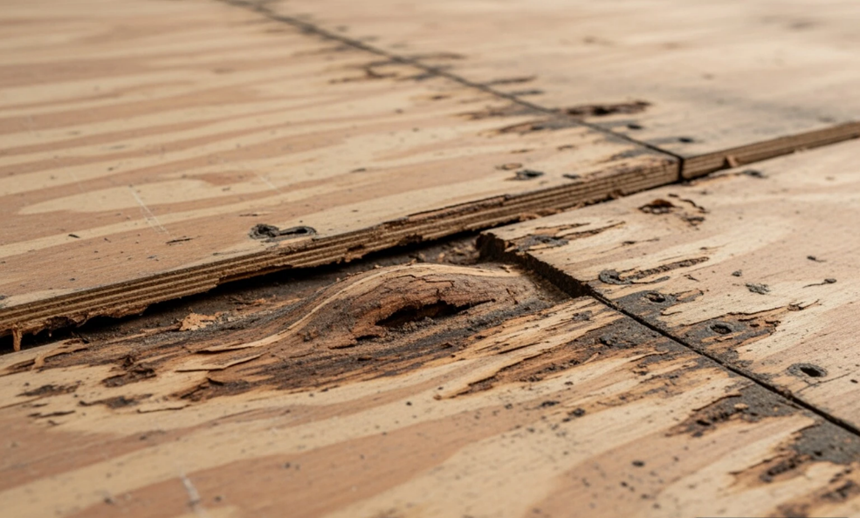
You can fall in love with a new floor and still miss the part that determines how long it lasts: what’s underneath it. In many homes, the visible surface gets all the attention, but the subfloor does the heavy lifting. When moisture gets into that layer, small warning signs like soft spots, odor, lifting edges, or cracked grout can turn into bigger problems if they’re ignored.
Why the subfloor matters more than most homeowners realize
A subfloor is the structural layer beneath your finished flooring. It supports foot traffic, helps keep the surface level, and gives your installation a stable base. When that layer is solid, your floor feels quiet, even, and secure. When it isn’t, the finished material often starts showing distress first.
That’s why moisture issues can be tricky. Water doesn’t always announce itself with a puddle. Sometimes it shows up as subtle cupping, recurring mildew smells, or seams that begin to separate. In South Florida, humidity, storms, plumbing leaks, and tracked-in moisture can all contribute to trouble below the surface, especially in rooms where water use is routine.
How moisture affects different flooring materials
Not every product reacts the same way. Hardwood is especially sensitive to excess dampness and may swell, cup, or gap as conditions change. Carpet can hold moisture long enough to create odor or staining concerns. Tile often looks durable on top, but loose sections or cracked grout may point to movement underneath. Even products designed for wet conditions still depend on a sound base, which is why many homeowners compare materials like waterproof flooring when they want something better suited to humid interiors.
That said, switching materials doesn’t solve a hidden subfloor problem by itself. A more water-tolerant surface may buy you time visually, but it won’t correct softness, deterioration, or trapped moisture below. The finish layer and the structure beneath it have to work together if you want a repair to hold up.
Signs your issue may be deeper than surface wear
Normal wear tends to stay cosmetic. Moisture-related damage usually affects how the floor feels or behaves. If a section sounds hollow, flexes underfoot, or keeps developing the same issue after a patch, there may be more going on than everyday aging. On Don Bailey Flooring’s services overview, flooring repairs, subfloor repair, and underlayment are all listed separately, which is a useful reminder that these are connected but not identical problems.
That distinction matters in older homes and in properties across Miami where humidity is a constant factor. A stain on carpet might be surface-level, or it could signal repeated moisture intrusion. A lifted plank may reflect adhesive failure, but it can also be the floor’s way of telling you the base is no longer stable. Good diagnosis comes before good replacement.
What a smart repair approach looks like
The first step is identifying the source. If moisture is still entering the system, replacing the visible flooring alone is usually temporary. Once the cause is addressed, the next question is whether the affected area needs localized repair, underlayment work, or a more involved fix. Don Bailey Flooring’s installation expertise is especially relevant here because their site notes they handle flooring repairs and subfloor repair as part of their broader service offering.
For homeowners who want to compare options without hauling samples back and forth, shop-at-home services can also make the decision process easier. Seeing materials in your own lighting helps when you’re trying to balance looks, maintenance, and moisture performance after a repair.
A careful foundation protects the floor you see every day
When a floor starts acting differently, the smartest move is not to guess. It’s to treat the visible symptom as a clue and look one layer deeper. In South Florida homes, that often makes the difference between a short-lived patch and a lasting solution. If you want help sorting out whether you’re dealing with surface wear, hidden dampness, or structural movement underneath, you can request a free estimate and have a project specialist help you evaluate the next step.


