
 Call for free estimate and shop at home

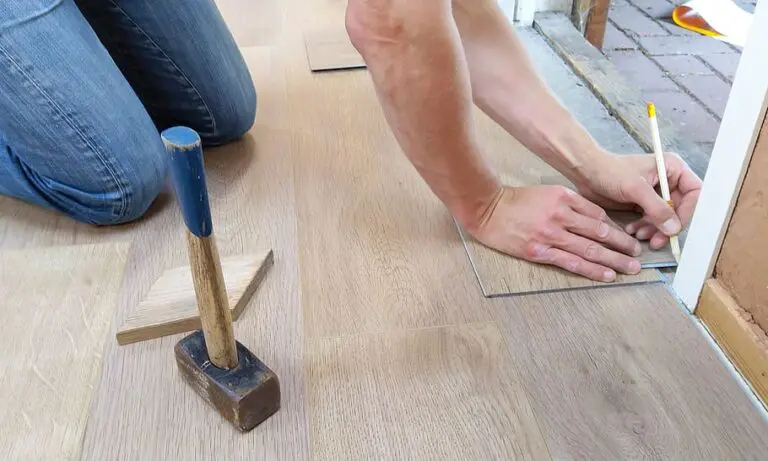
Picture this: you’re walking across the living room, arms full of laundry, when your foot catches on a lifted board or a cracked tile. You recover, but your heart jumps—and you wonder whether a little DIY touch‑up is enough, or if something more serious is going on under the surface.
Understanding the difference between a cosmetic fix and a structural repair keeps your family safer and helps you spend money where it really matters.
When a Quick Fix Is Enough
Not every flaw in a floor is a crisis. Some issues are more about appearance or minor comfort than real danger.
Small surface scratches in hardwood or luxury vinyl, light scuffs on laminate, or a single chipped tile edge that doesn’t catch your shoe can often be handled with simple touch‑ups. For wood and wood‑look products, manufacturers make repair kits with color‑matched fillers and markers that blend minor damage so it stops drawing your eye.
Localized wear paths in carpet can sometimes be disguised with thoughtful furniture placement or a well‑sized runner. In high‑traffic areas, layering a durable rug over tired hard surfaces can buy you time while you plan a larger project, especially if you choose from a substantial area rug collection that’s built for everyday South Florida living.
The key with these quick fixes is honesty: they should make safe floors look better or feel more comfortable. They should never be used to hide movement, soft spots, or anything that changes how stable the floor feels underfoot.
Red Flags That Point to Structural Problems
Some symptoms tell you the issue goes deeper than the surface. These are the ones that can signal subfloor trouble, moisture damage, or installation failures—and they’re the ones that matter most for safety.
Soft or spongy spots under carpet, luxury vinyl, or wood can mean rot, delamination, or long‑term moisture intrusion. Cracked tiles that keep reappearing in the same area, or grout lines that split and widen, often point to movement in the subfloor rather than a one‑off impact. Boards that cup, crown, or buckle, especially in humid rooms or after a leak, can indicate that moisture has swelled the material and stressed fasteners or locking systems.
Even sound can be a clue. Persistent squeaks, pops, or hollow taps when you walk across certain sections can mean fasteners have loosened or the original installation bridged low spots instead of correcting them. In older South Florida homes, those signs deserve a closer look, which is why we walk readers through early warning signs in depth in our guide to hidden floor damage in aging houses.
When you see or feel any of these patterns, covering the area with a rug, extra caulk, or more grout doesn’t just fail to solve the problem—it can make it harder to diagnose later.
How Pros Separate Cosmetic Issues from Structural Repairs
A professional repair visit is designed to answer one central question: “Is this a surface problem we can fix quickly, or is there a deeper issue we need to open up and correct?”
That starts with a thorough visual inspection, but it rarely stops there. A trained installer or repair specialist will press on suspect areas, listen for hollow sounds, and look for repeating crack lines, lifted transitions, or misaligned planks that hint at movement below. In moisture‑prone parts of the home, they may also use meters to check for hidden dampness that isn’t obvious on the surface.
Once the cause is clear, the repair plan can be tailored to the real problem. That might be as simple as re‑adhering a loose transition strip or replacing a few damaged boards. In other cases, it may involve opening flooring to correct subfloor issues, address moisture, or rebuild a small section before reconnecting it cleanly to the surrounding surface.
Because our installation teams handle both new installs and repair work, the same installation expertise that keeps new floors flat and quiet also guides these evaluations. The goal is always the same: restore safety, protect the structure, and leave the floor looking intentionally finished—not patched together.
Planning Safe Floors for the Long Term
The safest floors are the ones that were planned with future maintenance in mind. Continuous runs of hard surface across large areas reduce trip points, but they also make it more important to have products that can be repaired in sections without tearing everything out. In many South Florida homes, that means favoring click‑together or glue‑down systems that allow selective plank or tile replacement when damage is localized.
Materials that stand up to humidity, sand, and everyday spills are another layer of protection. Choosing from robust waterproof flooring options or dense porcelain tile can dramatically cut down on the number of problems that ever reach the subfloor. When those products are installed correctly from the start, they not only look better on day one—they give you more room to use true “quick fixes” down the road without compromising safety.
If you’re not sure whether your own floors need a touch‑up, a targeted repair, or something more, it helps to see how professionals approach the process from start to finish. We’ve broken that down in a dedicated overview of what happens during a professional floor repair visit, so you know exactly what to expect before anyone walks through your door.
Ready to Prioritize Safety in Your Floors?
If a loose board, recurring crack, or soft spot has you second‑guessing every step, you don’t have to guess whether it’s serious. Our team has spent decades working in South Florida’s homes, reading the signs, and choosing the right level of repair for each situation. When you’re ready to talk through what you’re seeing—and what it may mean—you can request a free estimate and have an experienced local team help you decide the safest, smartest path forward.


